The engine is the heart of an aeroplane, but the pilot is its soul.
Sir Walter Alexander Raleigh
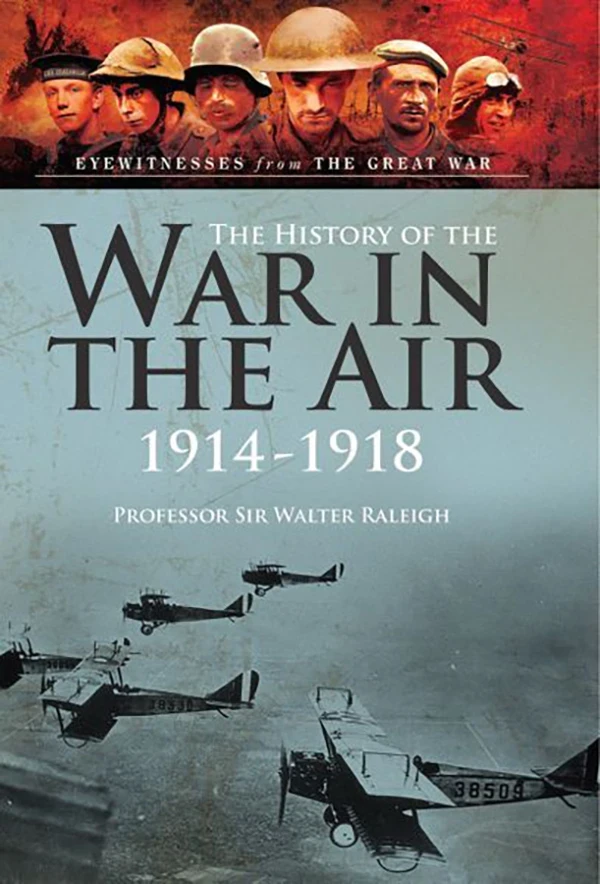
This is often misattributed to the wrong Sir Walter Raleigh — the one who popularized tobacco and El Dorado, and was beheaded in 1618 at the Palace of Westminster. He had a full life but it didn’t include flying. Our Sir Walter Raleigh was a poet, professor of English Literature at Oxford university, and wrote the 1922 book The History of the War in the Air 1914-1918. It contains this passage about the Royal Flying Corps:
“The problems presented to them were complicated and novel; they had no safe models to copy, and no ancient tradition to follow. They had to cope patently and resolutely with the most recent of sciences, and, more than that, they had to procure and train a body of men who should transform the timid and gradual science into a confident and rapid art. The engine is the heart of an aeroplane, but the pilot is its soul. They succeeded so well that at the opening of the battles of the Somme, on the 1st of July 1916, the Royal Flying Corps held the mastery of the air.”